Seasoning Rice in a Rice Cooker Reddit Beef Stock Sesame Oil
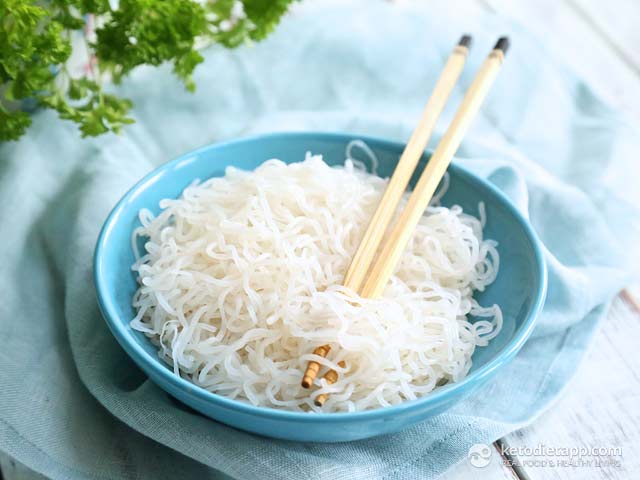
I've been getting e-mails asking about shirataki noodles and why I never use this zero-carb ingredient in my recipes. The reason was simple: I didn't like them... at all.
When I first tried shirataki noodles, I followed the instructions on the packaging which simply said to rinse them. I have to admit it was not the most pleasant experience. All I could remember was this terrible odor and rubbery texture. Low-carb or not, I thought it wasn't worth the effort and money!
That has all changed after I read this article by Low Carb Dietitian. I realised that I didn't really know how to prepare shirataki noodles.
What if I Don't Like the Taste and Texture?
Both taste and texture can be significantly improved if you follow this guide. The golden rule is to rinse them really well and pan-fry them without oil or other liquid in order to remove as much water as possible. The less water remains in the noodles, the better the texture. Once they are prepared, they can be cooked in sauces, gravies, with cheese or in stir-fries.
What Are Shirataki Noodles?
Shirataki noodles (aka miracle noodles, konjak noodles, or konnyaku noodles) is an ingredient popular in Asian cuisine. It's made from konjak plant which is ground and then shaped into noodles, fettuccini or even rice. Shirataki noodles are almost zero calorie and zero carb.
They are 97% water, 3% fibre and traces of protein, fat and calcium. There are 4 kcal and about 1 gram of net carbs per 100 g (3.5 oz) of shirataki noodles. If you find that the packaging says "zero" calories or "zero carbs", etc. it's because the FDA allowed products with less than 5 calories, less than 1 gram of carbs, protein and fat to be labeled as zero.
What are the Benefits of Eating Shirataki Noodles?
This study shows that glucomannan, a type of soluble fibre found in shirataki noodles, may help you lose weight and improve health. Interestingly, glucomannan powder can be used as thickener in smoothies or instead of xanthan gum. Below are the main benefits of glucomannan:
- Soluble fiber is very low in calories and lowers the energy-to-weight ratio of the food that is consumed.
- It has shown to promote satiety via several mechanisms. Including shirataki noodles will keep you full for longer!
- It slows down digestion which again induces satiety.
- It inhibits carbohydrate absorption and improves glycemic parameters (lowering blood glucose levels and inhibiting insulin spikes).
- It reduces fat and protein absorption (only beneficial for excessive calorie consumption).
 Pin itFollow us 148.4k
Are There Any Side Effects of Eating Shirataki Noodles?
The same study shows that there are few potential side effects of glucomannan.
- It may cause minor gastrointestinal issues, such as bloating, gas, and mild diarrhea. If it does, reduce the serving size.
- It may reduce the bioavailability of oral medications. You should avoid eating shirataki noodles with your medication and supplements. The medication should be taken 1 hour before or 4 hours after your meal containing glucomannan.
- There have been some incidents of esophagus, throat or intestine blockage by using glucomannan tablets which absorb large amounts of water. Note that the tablets are not the same as shirataki noodles which already contain water and don't pose this risk.
- Since there are no nutrients, do not overuse products containing glucomannan. The vast majority of your diet should be focused on real food (eggs, meat, non-starchy vegetables, raw dairy, avocados, berries, nuts, etc).
Do Shirataki Noodles Taste Like Pasta?
If you really want to enjoy shirataki noodles, don't have high expectations. They won't taste like real pasta but they make a fantastic pasta alternative when they are prepared the right way.
You can find all sorts of products using glucomannan: noodles, fettuccini, penne or even rice. My favourite ones are noodles and rice simply because the texture is better and gets easily mixed with other ingredients, minimising the rubbery sensation.
How to Cook Shirataki Noodles (The Best Way!)
The steps to the perfect shirataki noodles, rice or penne, follow the simple steps below:
- Rinse the shirataki noodles well.
- Fill a saucepan with water, bring to a boil and cook the noodles for about 3 minutes. Adding a dash of vinegar helps!
- Drain the noodles, place in a hot dry pan and cook on high for about 10 minutes.
- Use in stir-fries, cook in sauces or gravies, bake with cheese, an don't forget about flavour by using herbs and spices. Cooking shirataki directly in sauces makes the flavours penetrate so you have flavorful keto pasta dish.
How To Use Shitarataki Noodles
The best way is to use them in stir-fries rather than regular pasta meals, or combine them with other otptions such as zucchini noodles or palmini noodles.
As shirataki noodles have no nutrients, use small amounts and mix them with other ingredients like vegetables, meat, sauce and/or cheese. Adding spices, herbs, garlic, ginger and other ingredients will infuse them with fantastic flavour and make them taste truly delicious!
Try in my Easy Paleo Pad Thai, Vegetable Laksa with Shirataki Noodles or Prawn & Noodle Stir-Fry!
Hands-on Overall
Serving size half pack
Allergy information for How To Cook & Like Shirataki Noodles
✔ Gluten free
✔ Dairy free
✔ Egg free
✔ Nut free
✔ Nightshade free
✔ Pork free
✔ Avocado free
✔ Coconut free
✔ Fish free
✔ Shellfish free
✔ Beef free
Pescatarian
Low FODMAP
Vegetarian
Vegan
Nutritional values (per serving, half pack)
Net carbs 1.5 grams
Protein 0 grams
Fat 0.2 grams
Calories 4 kcal
Calories from carbs 77%, protein 0%, fat 23%
Total carbs 2.9 grams Fiber 1.4 grams Sugars 0 grams Saturated fat 0 grams Sodium 0 mg (0 % RDA) Magnesium 0 mg (0 % RDA) Potassium 0 mg (0 % EMR)
Ingredients (makes 2 servings)
- 1 pack shirataki noodles, shirataki rice or any shirataki pasta (200 g/ 7.1 oz)
- Optional: 1 tbsp apple cidervigenar
Instructions
- Drain the noodles. Discard all of the water from the package. Place the noodles in a large sieve and rinse well under running water.

- Transfer into a pot with boiling water and cook for 2 to 3 minutes. This step is important for removing the unpleasant odor. (Also, adding a dash of vinegar helps!)

- Drain the noodles and place on a hot pan without any grease or liquids. Fry over a medium-high heat for about 10 minutes. There will be a lot of steam and that's what you want to achieve. Remove as much water as possible without drying them out. If they become too dry, they will significantly reduce in size. Using tongs, you'll need to turn the noodles to avoid that. This step is important for their texture.

- When done, place in a container and have it ready int he fridge. Use in stir-fries, cook is sauces, gravies or add your favorite seasonings to boost the flavor.

- Try in my Easy Paleo Pad Thai, Vegetable Laksa with Shirataki Noodles or Prawn & Noodle Stir-Fry!

Ingredient nutritional breakdown (per serving, half pack)
 Pin itFollow us 148.4k
- Blog
- Recipes
- Basics
- How To Cook & Like Shirataki Noodles
- Blog
- Recipes
- Sides
- How To Cook & Like Shirataki Noodles
- Blog
- Recipes
- Vegan
- How To Cook & Like Shirataki Noodles
- Blog
- Recipes
- Vegetarian
- How To Cook & Like Shirataki Noodles
- Blog
- Recipes
- How To Cook & Like Shirataki Noodles
- Blog
- Martina Slajerova
- How To Cook & Like Shirataki Noodles
Source: https://ketodietapp.com/Blog/lchf/how-to-cook-and-like-shirataki-noodles
0 Response to "Seasoning Rice in a Rice Cooker Reddit Beef Stock Sesame Oil"
Postar um comentário